HDR vs Flambient: Which Is Better for Real Estate Photography?
Compare HDR and flambient photography techniques for real estate. Learn the pros, cons, and best use cases for each method to choose the right approach for your shoots.

David Thompson
March 16, 2026
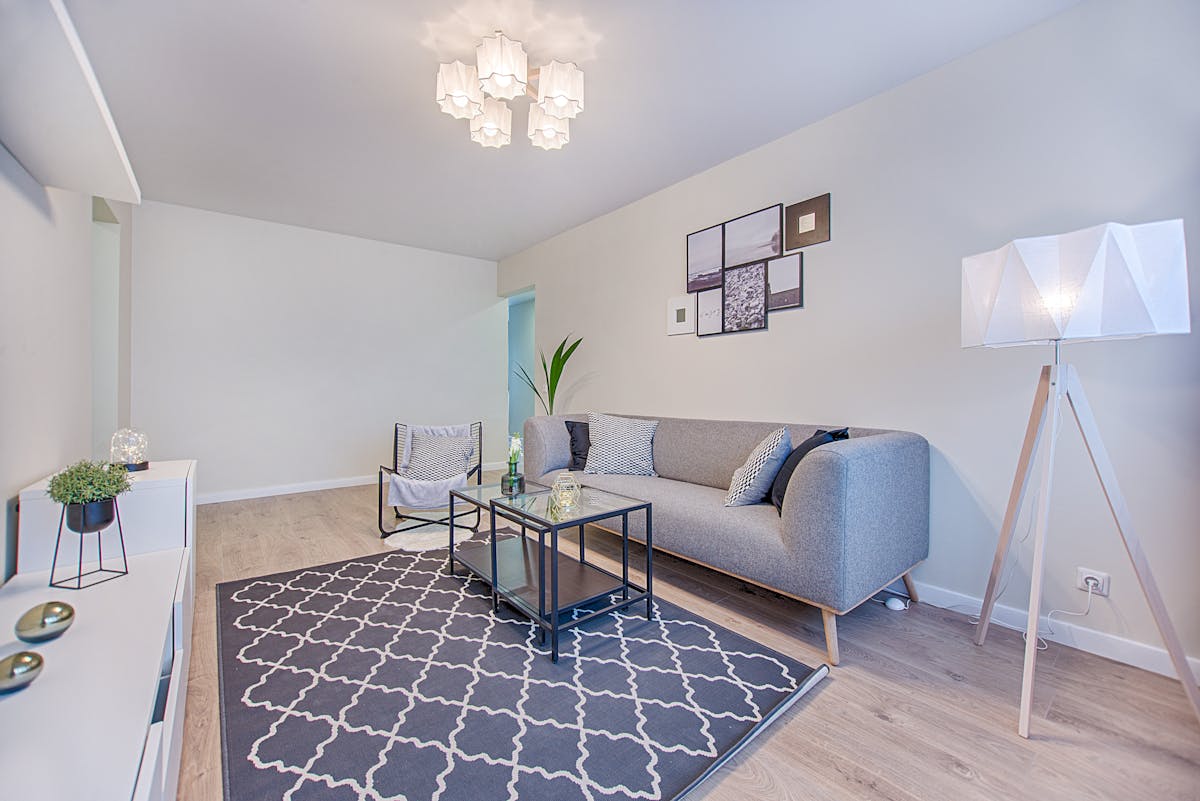
If you're serious about real estate photography, you've probably heard the debate: HDR vs flambient. Both techniques solve the same fundamental problem—balancing bright windows with dark interiors—but they take very different approaches. Understanding the strengths and weaknesses of each method will help you choose the right technique for your shoots and deliver the best results to your clients.
In this comprehensive comparison, we'll break down HDR vs flambient photography, covering technique, workflow, results, and when to use each method.
What Is HDR Photography?
HDR (High Dynamic Range) photography combines multiple exposures of the same scene—typically 3 to 5 bracketed shots—to capture detail in both highlights and shadows. These exposures are merged in post-processing software to create a single image with balanced exposure throughout.
HDR Process Overview:
- Set up camera on tripod
- Configure auto exposure bracketing (AEB)
- Shoot 3-5 exposures at different brightness levels
- Merge exposures in Lightroom, Photoshop, or Aurora HDR
- Edit merged image for final look
HDR Advantages:
- Fast Shooting: Capture brackets in seconds
- Natural Light Only: No flash equipment needed
- Consistent Results: Predictable, repeatable process
- Easier Learning Curve: Simpler technique to master
- Lower Equipment Cost: Just camera, lens, and tripod
HDR Disadvantages:
- Potential for "HDR Look": Can appear over-processed if not careful
- Ghosting Issues: Moving objects create artifacts
- Less Control: Limited ability to shape light
- Flat Lighting: Can lack depth and dimension
What Is Flambient Photography?
Flambient (flash + ambient) photography combines flash-lit exposures with ambient light exposures. Photographers shoot one set of images using flash to evenly light the interior, then shoot ambient exposures to capture natural window light. These are blended in post-processing to create a final image with balanced, dimensional lighting.
Flambient Process Overview:
- Set up camera on tripod
- Shoot flash exposures (multiple flash pops per frame)
- Shoot ambient exposures (typically HDR brackets)
- Manually blend flash and ambient layers in Photoshop
- Edit blended image for final look
Flambient Advantages:
- Dimensional Lighting: Flash creates depth and shadows
- Complete Control: Shape light exactly as desired
- Natural Appearance: Mimics how eyes see the space
- Professional Results: High-end, magazine-quality images
- Consistent Color: Flash provides uniform color temperature
Flambient Disadvantages:
- Time-Consuming Shooting: Multiple flash pops per frame
- Complex Post-Processing: Manual blending required
- Steeper Learning Curve: Requires flash technique mastery
- More Equipment: Requires flash, triggers, and modifiers
- Higher Cost: Additional equipment investment
Side-by-Side Comparison
Shooting Time:
- HDR: 10-15 seconds per shot
- Flambient: 1-2 minutes per shot
- Winner: HDR (significantly faster)
Editing Time:
- HDR: 5-10 minutes per image
- Flambient: 15-25 minutes per image
- Winner: HDR (much faster workflow)
Equipment Cost:
- HDR: $2,000-3,000 (camera, lens, tripod)
- Flambient: $3,000-4,500 (add flash, triggers, modifiers)
- Winner: HDR (lower investment)
Image Quality:
- HDR: Excellent, but can look flat
- Flambient: Superior depth and dimension
- Winner: Flambient (when done well)
Learning Curve:
- HDR: Moderate (1-2 months to master)
- Flambient: Steep (3-6 months to master)
- Winner: HDR (easier to learn)
Technical Breakdown
HDR Technical Details:
Camera Settings:
- Aperture: f/8-f/11
- ISO: 100-200
- Shutter Speed: Varies across bracket range
- Bracketing: 3-5 exposures at ±2 EV
Post-Processing:
- Merge brackets in Lightroom or Photoshop
- Adjust tone mapping for natural look
- Fine-tune exposure, color, and details
- Export final image
Flambient Technical Details:
Flash Settings:
- Flash Power: 1/4 to 1/2 power
- Flash Position: Bounced off ceiling or walls
- Multiple Pops: 3-6 flashes per frame
- Flash Angle: 45-90 degrees from camera
Camera Settings:
- Aperture: f/8-f/11
- ISO: 100-200
- Shutter Speed: 1/125s for flash, varies for ambient
Post-Processing:
- Layer flash and ambient exposures in Photoshop
- Mask flash layer to reveal windows
- Blend layers for seamless result
- Fine-tune and export
When to Use HDR
HDR Is Best For:
- High-Volume Shoots: When you need to shoot 30+ images quickly
- Tight Schedules: Limited time per property
- Budget Projects: Lower-priced listings
- Beginners: Learning real estate photography
- Bright Rooms: Spaces with good natural light
- Exteriors: Outdoor shots don't benefit from flash
When to Use Flambient
Flambient Is Best For:
- Luxury Properties: High-end listings justify extra time
- Dark Rooms: Spaces with poor natural light
- Large Rooms: Where flash can create beautiful dimension
- Portfolio Building: Creating standout showcase images
- Premium Pricing: Clients paying for highest quality
- Architectural Features: Highlighting design elements
The Hybrid Approach
Many professional photographers use both techniques strategically:
- Primary Rooms: Flambient for living room, kitchen, master bedroom
- Secondary Rooms: HDR for additional bedrooms, bathrooms
- Exteriors: HDR for all outdoor shots
- Details: Natural light for close-up shots
This hybrid approach balances quality with efficiency, delivering premium results where it matters most while maintaining reasonable shooting times.
Cost-Benefit Analysis
HDR Economics:
- Shoot Time: 45-60 minutes per property
- Edit Time: 2-3 hours per property
- Total Time: 3-4 hours per property
- Typical Pricing: $150-250 per shoot
Flambient Economics:
- Shoot Time: 90-120 minutes per property
- Edit Time: 4-6 hours per property
- Total Time: 6-8 hours per property
- Typical Pricing: $300-500 per shoot
Common Mistakes with Each Technique
HDR Mistakes:
- Over-processing creating the "HDR look"
- Halos around objects from aggressive tone mapping
- Unnatural colors and saturation
- Ghosting from moving objects
- Flat, dimensionless lighting
Flambient Mistakes:
- Visible flash hotspots on walls or ceilings
- Harsh shadows from poorly positioned flash
- Obvious blend lines between flash and ambient
- Inconsistent color temperature
- Over-lit interiors that look unnatural
Client Perception and Expectations
Most clients can't tell the difference between HDR and flambient—they just want beautiful images. However:
- Luxury Market: Expects flambient-quality results
- Mid-Range Market: HDR is perfectly acceptable
- Budget Market: HDR is standard
Your technique choice should match your market positioning and pricing.
The Learning Path
For Beginners:
- Start with HDR to build foundation
- Master camera settings and composition
- Learn post-processing workflow
- Build portfolio and client base
- Consider adding flambient later for premium offerings
For Experienced Photographers:
- Evaluate your market and pricing
- Invest in flash equipment if pursuing flambient
- Practice extensively before offering to clients
- Use hybrid approach for efficiency
- Charge premium rates for flambient work
The Verdict: Which Is Better?
There's no universal "better" technique—it depends on your situation:
Choose HDR If:
- You're starting out in real estate photography
- You shoot high volume (3+ properties per day)
- Your market doesn't demand premium quality
- You want faster workflow and turnaround
- Budget constraints limit equipment investment
Choose Flambient If:
- You're targeting luxury real estate market
- You can charge premium rates ($300+)
- You have time for complex shooting and editing
- You want to differentiate from competitors
- Image quality is your top priority
The Future: Computational Photography
Technology is evolving rapidly. AI-powered editing tools are making it easier to achieve flambient-quality results from HDR brackets. Some photographers are using AI to add dimensional lighting to HDR images in post-processing, getting flambient-like results without flash.
This technology is still developing, but it may eventually bridge the gap between HDR speed and flambient quality.
Making Your Decision
Consider these factors when choosing your approach:
- Your Market: What do clients in your area expect and pay for?
- Your Experience: What's your current skill level?
- Your Schedule: How many shoots do you handle per week?
- Your Pricing: What rates can you command?
- Your Goals: Where do you want your business to go?
The Bottom Line
Both HDR and flambient are valid, professional techniques. HDR offers speed and efficiency, making it ideal for high-volume work. Flambient provides superior quality and dimensional lighting, perfect for premium properties. Many successful photographers use both, choosing the right technique for each situation.
Start with HDR to build your foundation, then consider adding flambient to your skillset as your business grows and your market demands it.
Focus on Photography, Let Us Handle Editing
Whether you shoot HDR, flambient, or both, professional editing is time-consuming. HDR merging, flambient blending, and final retouching can take 3-6 hours per property—time you could spend shooting more properties and earning more revenue.
Prixcraft specializes in editing both HDR and flambient real estate photography:
- Expert HDR merging with natural-looking results
- Professional flambient blending and layer masking
- Perfect exposure balancing and color correction
- Perspective correction and vertical alignment
- 24-hour turnaround on standard orders
- Unlimited revisions until perfect
- Affordable pricing starting at $1.50 per image
Upload your images today and let our expert team handle the time-consuming editing work. Focus on what you do best—capturing stunning property photos.
About David Thompson
Professional real estate photographer with 8 years of experience and instructor at the Real Estate Photography Institute.
Ready to Transform Your Property Listings?
Get professional photo editing services that help your properties sell faster.
Start Editing with Prixcraft